
In 2023, 48.2% of physicians reported experiencing at least one symptom of burnout, making it the first time since 2020 this number has been below 50%. While positive news, nearly half of the practicing physicians in the United States experiencing symptomology is far from a victory. Burnout, a psychological condition arising from chronic workplace stress, has been an occupational hazard for healthcare providers. A consistent issue in the medical field. Characterized as feelings of energy depletion, feelings of negativism or cynicism related to one’s job, and a sense of ineffectiveness and lack of accomplishment, burnout can have significant repercussions on both physicians and their patients. Neurosurgery, as a high-stress specialty, is the perfect catalyst for inducing burnout in its practitioners. Recent studies report that 51.1% of neurosurgeons and 45.4% of neurosurgery residents exhibit burnout symptomology; understanding the impact on physicians is critical to mitigate this issue.
History
Burnout was first documented by Herbert Freudenberger in the 1970s; it as described as a consequence of high ideals and severe stress in “helping” professions. Despite Freudenberger’s description, a standardized definition of the condition hampers efforts to quantify, study and treat the condition.
The Maslach burnout inventory, created by Maslach and Jackson, describe burnout as a 3-dimensional construct composed of emotional exhaustion, depersonalization and lowered personal accomplishment. Emotional exhaustion is defined as a state of feeling drained and emotionally worn out. The second component of burnout, depersonalization, is a sense of detachment from one’s body, thoughts, or feelings. This aspect leads to physician apathy and detachment between them and their patients. The third characteristic of burnout,
a lowered sense of personal accomplishment, consists of feelings of inadequacy in one’s personal and professional lives. Due to the high-stress and infinite expectations neurosurgeons are consistently exposed and held to, physicians in the healthcare system are at a greater risk of experiencing burnout.
Contributing Factors
Examining the factors behind why the field of neurosurgery has an increased prevalence of burnout is an essential part of understanding the current environment. Burnout in medicine is driven by various factors inherent to the profession. Specifically, neurosurgeons routinely operate under extreme pressure, make life-or-death decisions and interact with patients and families under duress; all of these can lead to emotional exhaustion and depersonalization. For both neurosurgery trainees and practitioners, large workload, emotional strain, cognitive and physical demands, quality of life imbalance and organization level stressors all contribute to burnout.
Due to the urgent and unpredictable nature of neurosurgery, neurosurgeons face long and grueling hours. Additionally, the large volume of cases presented each day, combined with the small margin of error allowed, creates a constant risk of emotional and mental exhaustion. A recent survey found that 62.26% of neurosurgeons felt that their case volume contributed to feelings of burnout. Providing care for critically ill patients such as those with severe brain and spinal cord injuries is emotionally taxing. Navigating these critical moments can contribute to stress and subsequent apathy.
Surgery comes with both physical and mental demands. Neurosurgery specifically also has the additional pressure of small margins for error as errors can lead to both morbidity and mortality. Lengthy operations requiring focus and attention to detail during that period can increase exhaustion.
The demanding nature of neurosurgery can lead to reduced work-life balance. With less time for family and friends, physicians may not be able to decompress; this can contribute to emotional exhaustion. A recent survey found that 72.9% of neurosurgeons under the age of 50 felt that their decreased quality of life contributed to their feelings of burnout. Another survey found that only 32% of neurosurgery residents were satisfied with their work-life balance. Organization wise, with the creation of electronic medical records, the boundary between work and home has been diminished. A recent study found that neurosurgery PGY-2 and PGY-3 residents spent an average of 9 hours per on-call shift using electronic health records, exemplifying the magnitude of administrative tasks and record management that physicians handle. Though after work hours should be used for self-care, physicians are often tasked with medical charting instead of using this time to decompress.
Conclusion
Burnout is a multifactorial malady in medicine without an easy solution. Awareness has been building over the last decade, but without solutions, there are serious implications for both neurosurgeons and their patients. Physicians dedicate their lives to serving others, often to their own detriment. The stigma behind mental health and burnout, especially in residency, creates an environment of suffering in silence. With residents and physicians under-reporting and avoiding seeking assistance, burnout will continue to plague the medical field. By finding solutions, physicians can improve their mental and emotional health while maintaining high standards of care for their patients.


Meghan Meredith, BS
Meghan Meredith received a Bachelor of Science degree from the University of Illinois Urbana-Champaign. She has been working in clinical research at Northwestern University since 2022 in the Departments of Neurosurgery and Dermatology. She is currently applying to medical school and has an interest in neurosurgery and a passion for investigating pediatric disabilities.
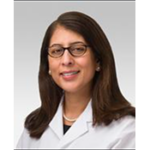
Aruna Ganju, MD, FAANS, FACS is an associate professor of neurological surgery at Northwestern University’s Feinberg School of Medicine in Chicago and the current editor of AANS Neurosurgeon. She is a past chair of the AANS/CNS Section of Women in Neurosurgery (WINS) and Residency Program Director in the Department of Neurological Surgery at Northwestern University Feinberg School of Medicine. Her clinical areas of interest are surgical treatment of disorders of the spinal column and cord.