In undergrad, I took an “Intro to Public Health” elective class. What began as a vague interest quickly turned into absolute fascination. Specifically, I was drawn to the inequities in access to care, both locally and globally. I could not understand why there were such drastic disparities in access to care, and how the type of health care you received could be determined based on where you were born or what type of family you were born into. This did not seem right.
At first glance, it may not be obvious how neurosurgery and public health intersect. However, there is a global shortage of neurosurgeons, especially pediatric neurosurgeons, leaving millions of children every year without access to care for debilitating neurological conditions. These barriers that prevent access to neurosurgical care can mean the difference between a permanent disability or quick recovery — between life and death.
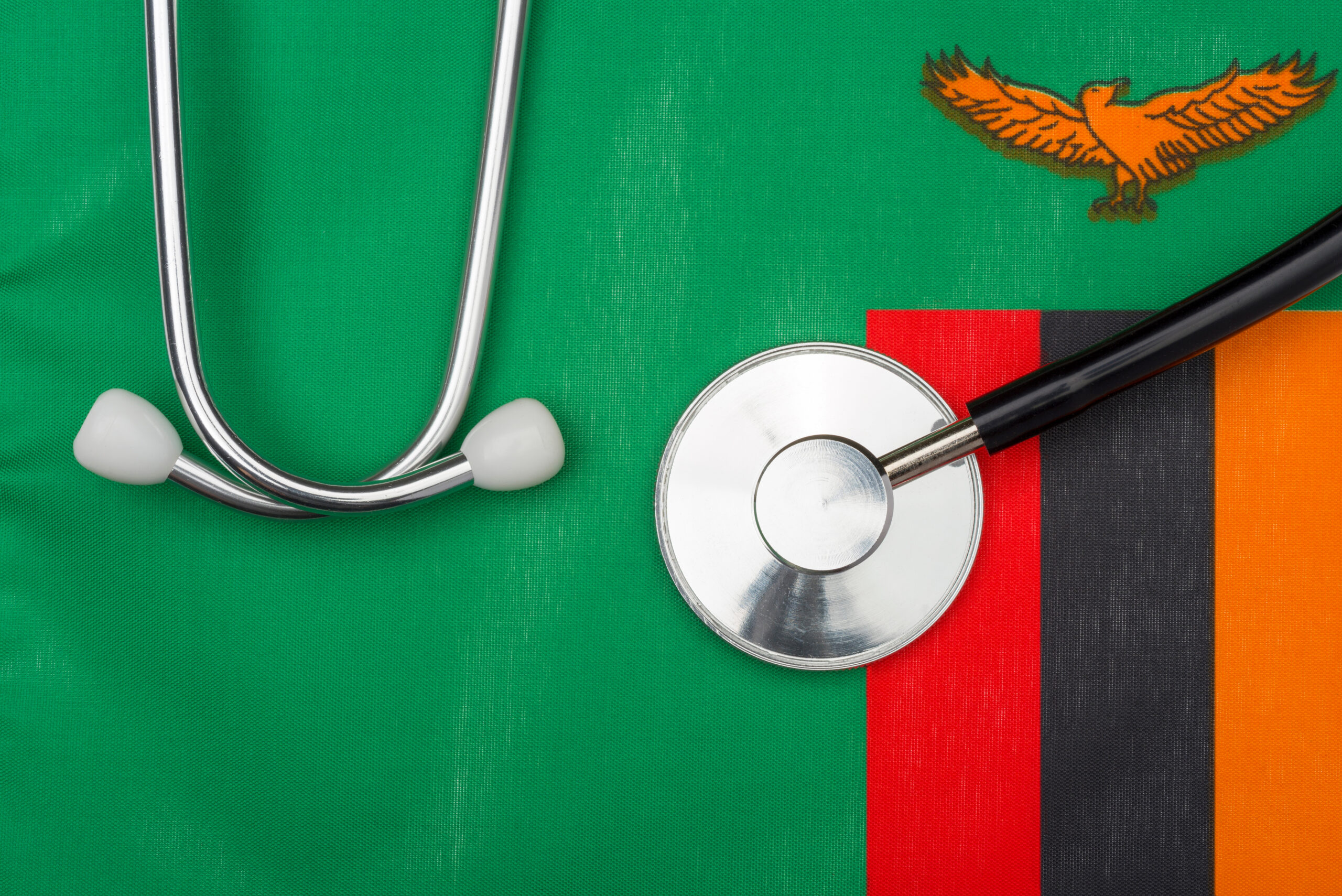
This is what drew me to Zambia. In Zambia, there is a high prevalence of pediatric neurological conditions; however, only two hospitals provide neurosurgical care. Both are located in the capital of Lusaka. I spent the summer between my first and second year researching barriers to care for Zambian patients with spina bifida. In the U.S., patients with spina bifida either undergo fetal surgery or are operated on within 48 hours after birth. In Zambia, fetal surgery is not performed. Typically, patients undergo surgery at an average age of 21 days, far beyond the recommended 48 hours in the U.S. I spent my summer interviewing providers at district hospitals to understand the barriers to referral and timely access to surgery.
During this time, I saw patients with advanced pathologies that are not encountered in the U.S., from teenagers with tumors the size of baseballs to babies with hydrocephalus so advanced that their heads were three times the normal size. However, what impacted me most was the sense of community I found in Zambia. While I was there, I met mothers from all over the country who had traveled to Lusaka seeking care for their babies. Several confided that their monthly salary of less than $5 U.S. required them to raise funds for the trip to the capital. They expressed gratitude for the generosity of their community that had facilitated the trip. I witnessed residents and physicians tirelessly working to help their patients. The first week I arrived, the hospital ran out of shunts. The shunts, donated from another country, were stuck at the airport due to a tax dispute. Immediately, several residents got on the phone with hospital and government officials, and one even went to the airport themself, to ensure that the shunts were delivered ASAP. No matter the problem, people always rallied to help each other, creating a community unlike any I had experienced before.
In the past decade, global health has begun to shift from mission trips to sustainable capacity building and bidirectional learning. As a medical student, it can often seem unclear how I can positively contribute to this new realm of global health. At my current training level, I can’t teach new surgical techniques or contribute to health infrastructure policy. However, I can listen and learn. While I went to Zambia to identify ways we can help improve their health care, I saw that there is a lot that we can learn from them. Hospital stays and surgical procedures are free for Zambian citizens, and many were shocked to learn of the cost of health care in the U.S. Learning about their health care system has further inspired my commitment to advancing equitable care in the U.S. Additionally, working with Zambian physicians, I understood what it truly means to be a neurosurgeon. It’s not about fancy technology or flashy surgeries, but about doing everything in your power to ensure that your patients can achieve the best quality of life. This experience allowed me to begin to build the foundation of what I envision to be my future as a neurosurgeon.

Rya Muller is a recent graduate of Northwestern University, where she studied Neuroscience and Global Health. Currently working as a clinical research assistant, she will attend Feinberg School of Medicine next August.