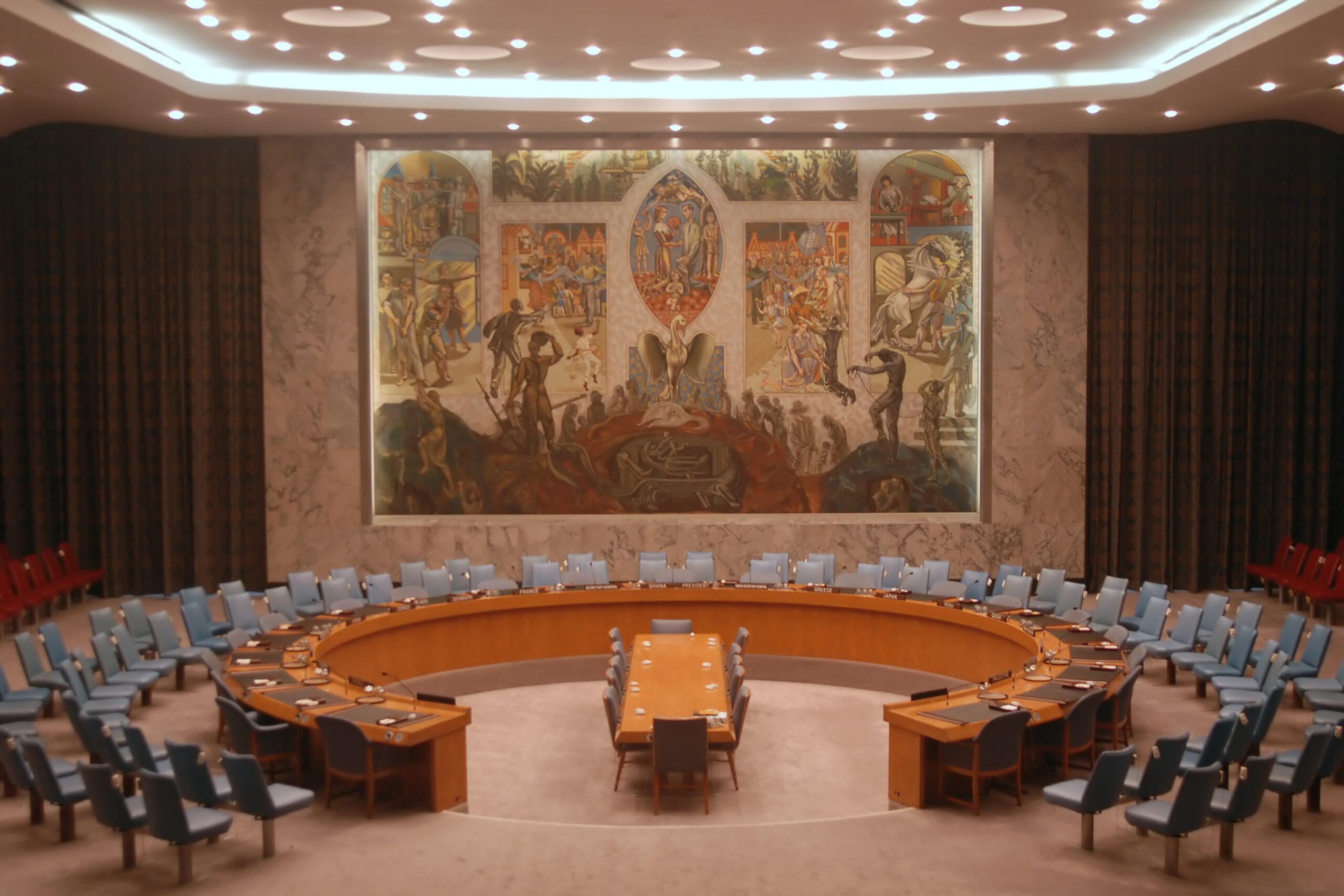
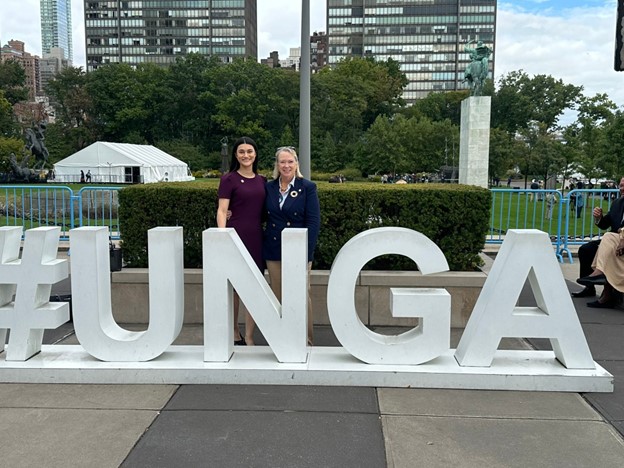
The week of September 24-30, 2024, marked the 79th United Nations General Assembly (UNGA), a gathering of representatives from the 193 United Nations (UN) member states at the Headquarters in New York City. Widely regarded as the most important week in the diplomatic calendar year, the UNGA is a unique opportunity to establish and advance international collaborations, promote high-level policy objectives and promote awareness of critical global issues.
One such issue that has garnered particular interest in recent years is “global brain health,” a composite term signifying the summative burden of neurological and psychiatric symptoms throughout the world. In May 2022, the World Health Organization (WHO) released an Intersectoral Global Action Plan (IGAP) focusing specifically on epilepsy and other neurological disorders (1). While the IGAP outlines overarching objectives to achieve by 2031 and a series of proposed multi-level action items, it is abundantly clear that neurosurgical contributions are required to meet these goals – at both the grassroots and policy levels. Amidst growing interest in brain health, the term “brain health diplomacy” was coined, signifying intersectoral efforts to position brain health as a global public health priority (2).
This year’s UNGA followed suit, with a concurrent science summit featuring three “Brain Days” and gathering leaders across diverse fields of brain health. The first of these comprised a brain economy summit that brought together various key stakeholders to evaluate financing solutions for brain health initiatives. The following two days focused on neuroscience and society. Attendees included experts in neuroscience, neurology, psychiatry, mental health, climate science, architecture, design and education, along with representatives from the pharmaceutical and finance sectors and a wide range of government officials. Yet, given the topic at hand, one glaring question arose: where were the neurosurgeons?
This is not the first instance in which neurosurgeons have been underrepresented in high-level policy discussions. While some of this is attributable to field-specific demands and time constraints, the relative lack of neurosurgical perspectives in informing neurological policy and investment decisions is concerning. The annual global burden of neurosurgical cases requiring operations amounts to 13.8 million, per a 2018 estimate (3). Of these needed operations, 80% occur in low and middle-income countries (LMICs), underscoring an already egregious disparity in neurosurgical workforce allocation (3). Among the most salient issues are traumatic brain injuries, stroke-related conditions, tumors, hydrocephalus and epilepsy, all of which are key components of global brain health (3). These conditions often require neurosurgical solutions, and the people trained to provide such services have invaluable perspectives on the corresponding medical needs, resource scarcities and implementation issues.
This year, the G4 Alliance, an international civil society organization formed to advocate for safe and affordable surgical, obstetric, trauma and anesthetic (SOTA) care, sent multiple representatives to the UNGA to advocate for neurosurgical inclusion in brain health diplomacy. These included neurosurgeons, policy advocates and the heads of independent civil organizations working as members of the G4 Alliance.
Still, this is only a fraction of the neurosurgical representation required to drive sustainable global change. Next year’s high-level meeting of the UNGA will focus on the Prevention and Control of Noncommunicable Diseases (NCDs). This event represents a crucial opportunity for neurosurgeons to help shape the conversations that will set priorities and guide policymaking for UN member states. Though these conversations reach their highest level at the UNGA, brain health diplomacy requires year-round engagement to ensure that high-impact neurological conditions are prioritized and addressed. It is time for neurosurgeons to take their seats at the table.
References
- World Health Organization. (2022). Intersectoral global action plan on epilepsy and other neurological disorders (2022-2031).https://www.who.int/publications/i/item/9789240076624
- Dawson et al. Lancet Neurol. 2020 Dec;19(12):972-974. doi: 10.1016/S1474-4422(20)30358-6. PMID: 33212057 https://pubmed.ncbi.nlm.nih.gov/33212057/
- Dewan et al. Global neurosurgery: the current capacity and deficit in the provision of essential neurosurgical care. Executive Summary of the Global Neurosurgery Initiative at the Program in Global Surgery and Social Change. J Neurosurg. 2018 Apr 27;130(4):1055-1064. doi: 10.3171/2017.11.JNS171500. PMID: 29701548. https://thejns.org/view/journals/j-neurosurg/130/4/article-p1055.xml
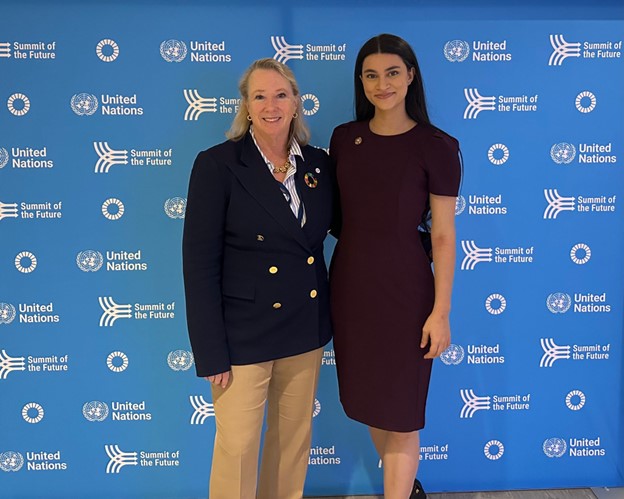
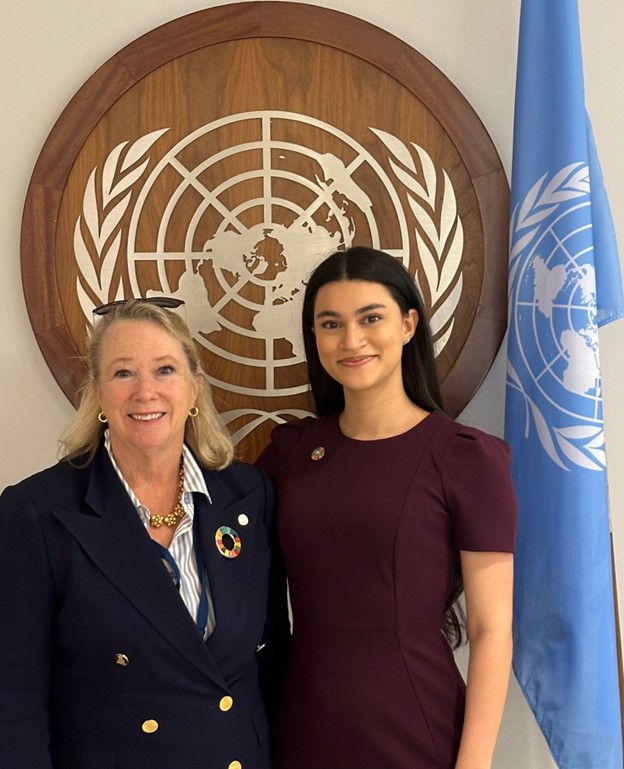


Daniela A. Perez Chadid, MD
Daniela A. Perez Chadid, MD is a physician from Medellín, Colombia, and a graduate of CES University. She is a Global Surgery, Obstetrics, Trauma, and Anesthesia (SOTA) Fellow at the G4 Alliance. Passionate about the intersection of neurosurgery, global health, and medical diplomacy, she is dedicated to expanding access to essential surgical care and advancing global health policy. Daniela is also leading efforts in the development of the Operative Encounter Registry (OER), under the guidance of the World Health Organization (WHO), aimed at improving surgical data collection and health outcomes worldwide.

Riya M. Dange, BS
Riya M. Dange is a medical student at the University of Pittsburgh and SOTA fellow at the G4 Alliance pursuing a career in global neurosurgery. Originally from the San Francisco Bay Area, California, she completed her undergraduate education at Duke University and a research fellowship at the National Institutes of Health prior to starting medical school. Her current research focuses on open resections for intramedullary spinal cord tumors and global guidelines for traumatic spinal cord injury management. Through her G4 Alliance fellowship, Riya leads research projects and coordinates events for the Africa and Children's Surgery Working Groups.

Dr. Rosseau is Clinical Professor of Neurosurgery at George Washington University
School of Medicine and Health Sciences in Washington, D.C. and Adjunct Professor of
Global Neurosurgery at Barrow Neurological Institute in Phoenix, AZ. She has been
involved in Global Neurosurgery all her career and is a leader in the Global Surgery
movement. She has authored over 300 peer-reviewed publications and been invited as
Visiting Professor at over 20 universities. She is Global Champions Editor for World
Neurosurgery, and Section Editor for Global Neurosurgery for Neurosurgery.