

Introduction
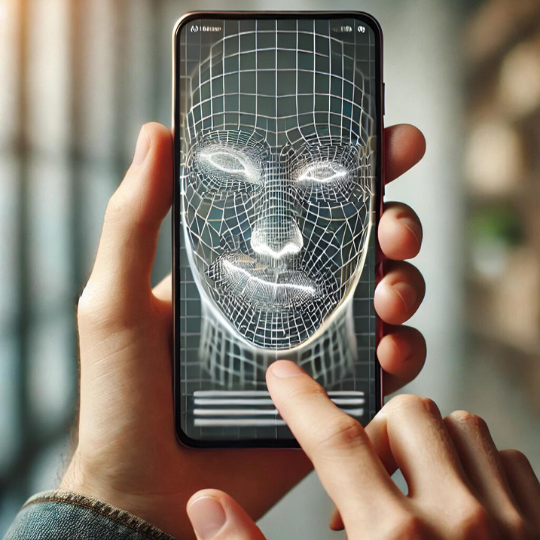
Neurological conditions like Alzheimer’s disease (AD), Parkinson’s disease (PD), and stroke are substantial contributors to global disability and mortality. Early detection can dramatically improve outcomes, reduce healthcare costs, and increase the quality of life for affected individuals. Mobile phones equipped with multimodal sensors (e.g., accelerometers, gyroscopes, microphones, and cameras) offer a unique, scalable opportunity for early diagnosis of these conditions. These sensors, when combined with artificial intelligence (AI) and machine learning (ML), can detect subtle changes in motor function, speech, and cognitive abilities that may lead to early diagnosis of neurological disorders. This paper explores the medical potential of these technologies and discusses the challenges that remain in their implementation.
Background
The Burden of Neurological Conditions
Neurological conditions are the leading causes of disability-adjusted life years (DALYs) worldwide, affecting over 3 billion people worldwide in 2021 [1], [2]. According to the World Health Organization (WHO), 15 million strokes are reported each year; 60% occurring in people under the age of 70. In contrast, neurodegenerative disorders such as AD are growing in prevalence due to aging populations [3], [4], [5]. In 2019, PD affected over 8.5 million people globally; its incidence has increased by approximately 100% since 2000 [6].
Why Some Neurological Signs Are Detectable by Mobile Phone Sensors
PD, stroke, and AD may all be diagnosed by mobile phones. These devices, equipped with accelerometers and gyroscopes, can detect movement abnormalities such as tremors, bradykinesia, and postural instability. Research demonstrates that smartphone-based sensors can identify early motor changes, distinguishing those with PD from healthy controls with over 90% accuracy [9]. Similarly, mobile phone microphones have been effective in detecting speech impairments such as dysarthria in PD and decreased verbal fluency in AD. These sensors detect speech sounds between 30-120 decibels and can identify subtle vocal changes before clinical symptoms appear [10], [11], [12]. Cognitive deficits, a hallmark of AD, can be tracked using smartphone apps that analyze user behaviors, such as typing speed, app usage, and navigation patterns, to monitor cognitive changes over time [13]. These passive data streams provide an objective means of assessing cognitive function and detecting neurological decline sooner.
Advantages of Early Diagnosis
Improved Outcomes
Early detection of neurological conditions provides a vital opportunity for timely intervention which can significantly influence the course of diseases like PD and AD. Neurodegeneration often starts before symptoms manifest. For instance, in PD, early diagnosis can allow for medical management with dopamine agonists thus potentially delaying the need for more invasive surgical treatments such as deep brain stimulation [17]. These early interventions not only improve patients’ quality of life but also reduce the burden on caregivers and healthcare systems by delaying the progression to more severe stages of the disease [18].
Reduced Disabilities and Deaths
In acute neurological emergencies, such as strokes, “time is brain” emphasizes how the impact of time [19]. For ischemic strokes, rapid intervention with thrombolytics or mechanical thrombectomy can restore blood flow and prevent further brain damage [20]. Mobile phone-based systems that monitor signs like slurred speech, facial drooping, or uneven movements could drastically reduce time to diagnosis. By immediately alerting the user or contacting emergency services, these systems could decrease time to hospital arrival thus lowering morbidity and mortality rate.
Cost Savings
The economic burden of these neurological diseases is staggering. According to the Alzheimer’s Association, in 2023, the total cost of caring for Americans aged 65 and older with AD or other dementias was projected to reach $345 billion [22]; this cost is projected to exceed $1 trillion by 2050 [7]. For PD, direct and indirect costs are estimated to exceed $50 billion annually [8]. Given these figures, early diagnosis could significantly reduce long-term care costs by allowing for earlier interventions that may slow or mitigate disease progression.
Conclusion
The advent of new technologies offers unprecedented ways to detect cognitive, motor, and speech deficits present in many neurological conditions such as dementia, stroke, and movement disorders. When passive sensor data from mobile phones are analyzed with the help of AI and ML, early detection of chronic or acute neurological conditions is now possible. Physicians may now be able to evaluate and treat patients at ultra- early stages of disease progression. The possibilities of new interventions and potentially improved outcomes are becoming a reality.
Sources
[1] GBD 2016 DALYs and HALE Collaborators (2017). Global, regional, and national disability-adjusted life-years (DALYs) for 333 diseases and injuries and healthy life expectancy (HALE) for 195 countries and territories, 1990-2016: a systematic analysis for the Global Burden of Disease Study 2016. Lancet (London, England), 390(10100), 1260–1344. https://doi.org/10.1016/S0140-6736(17)32130-X
[2] World Health Organization. (2024, March 14). Over 1 in 3 people affected by neurological conditions, the leading cause of illness and disability worldwide. World Health Organization. https://www.who.int/news/item/14-03-2024-over-1-in-3-people-affected-by-neurological-conditions–the-leading-cause-of-illness-and-disability-worldwide
[3] World Health Organization. (n.d.). World Health Organization. https://www.emro.who.int/health-topics/stroke-cerebrovascular-accident/index.html
[4] Patil, S., Rossi, R., Jabrah, D., & Doyle, K. (2022). Detection, Diagnosis and Treatment of Acute Ischemic Stroke: Current and Future Perspectives. Frontiers in medical technology, 4, 748949. https://doi.org/10.3389/fmedt.2022.748949
[5] 2023 Alzheimer’s disease facts and figures. (2023). Alzheimer’s & dementia : the journal of the Alzheimer’s Association, 19(4), 1598–1695. https://doi.org/10.1002/alz.13016
[6] World Health Organization. (2022, June 14). Launch of who’s parkinson disease technical brief. World Health Organization. https://www.who.int/news/item/14-06-2022-launch-of-who-s-parkinson-disease-technical-brief
[7] Wong W. (2020). Economic burden of Alzheimer disease and managed care considerations. The American journal of managed care, 26(8 Suppl), S177–S183. https://doi.org/10.37765/ajmc.2020.88482
[8] Yang, W., Hamilton, J. L., Kopil, C., Beck, J. C., Tanner, C. M., Albin, R. L., Ray Dorsey, E., Dahodwala, N., Cintina, I., Hogan, P., & Thompson, T. (2020). Current and projected future economic burden of Parkinson’s disease in the U.S. NPJ Parkinson’s disease, 6, 15. https://doi.org/10.1038/s41531-020-0117-1
[9] Li, J., Guan, W., Li, J., & Liang, W. (2022, June 14). Launch of who’s parkinson disease technical brief. World Health Organization. https://www.who.int/news/item/14-06-2022-launch-of-who-s-parkinson-disease-technical-brief
[10] IOS microphone. Studio Six Digital. (n.d.). https://studiosixdigital.com/audio-hardware/generic-audio-hardware/iphone_3gs_microphone/
[11] Cochary, J. (2021, May 15). Common noise levels. Noise Awareness Day. https://noiseawareness.org/info-center/common-noise-levels/
[12] Chudzik, Artur, Albert Śledzianowski, and Andrzej W. Przybyszewski. (2024, February 29). “Machine Learning and Digital Biomarkers Can Detect Early Stages of Neurodegenerative Diseases” Sensors 24, no. 5: 1572. https://doi.org/10.3390/s24051572
[13] Nicosia, J., Aschenbrenner, A. J., Balota, D. A., Sliwinski, M. J., Tahan, M., Adams, S., Stout, S. S., Wilks, H., Gordon, B. A., Benzinger, T. L. S., Fagan, A. M., Xiong, C., Bateman, R. J., Morris, J. C., & Hassenstab, J. (2023). Unsupervised high-frequency smartphone-based cognitive assessments are reliable, valid, and feasible in older adults at risk for Alzheimer’s disease. Journal of the International Neuropsychological Society : JINS, 29(5), 459–471. https://doi.org/10.1017/S135561772200042X
[14] Popp, Z., Low, S., Igwe, A., Rahman, M. S., Kim, M., Khan, R., Oh, E., Kumar, A., De Anda-Duran, I., Ding, H., Hwang, P. H., Sunderaraman, P., Shih, L. C., Lin, H., Kolachalama, V. B., & Au, R. (2024). Shifting From Active to Passive Monitoring of Alzheimer Disease: The State of the Research. Journal of the American Heart Association, 13(2), e031247. https://doi.org/10.1161/JAHA.123.031247
[15] Caligiore, D., Giocondo, F., & Silvetti, M. (2022). The Neurodegenerative Elderly Syndrome (NES) hypothesis: Alzheimer and Parkinson are two faces of the same disease. IBRO neuroscience reports, 13, 330–343. https://doi.org/10.1016/j.ibneur.2022.09.007
[16] Singh, R. (2023, July 17). Cholinesterase inhibitors. StatPearls [Internet]. https://www.ncbi.nlm.nih.gov/books/NBK544336/
[17] Choi, J. (2023, June 26). Dopamine agonists. StatPearls [Internet]. https://www.ncbi.nlm.nih.gov/books/NBK551686/
[18] Szeto, J. Y., & Lewis, S. J. (2016). Current Treatment Options for Alzheimer’s Disease and Parkinson’s Disease Dementia. Current neuropharmacology, 14(4), 326–338. https://doi.org/10.2174/1570159×14666151208112754
[19] T Tadi, P. (2023, August 17). Acute stroke. StatPearls [Internet]. https://www.ncbi.nlm.nih.gov/books/NBK535369/
[20] Assess and treat | National Institute of Neurological Disorders and stroke. (n.d.). https://www.ninds.nih.gov/health-information/stroke/assess-and-treat
[21] Hall, G. R., Buckwalter, K. C., Stolley, J. M., Gerdner, L. A., Garand, L., Ridgeway, S., & Crump, S. (1995). Standardized care plan. Managing Alzheimer’s patients at home. Journal of gerontological nursing, 21(1), 37–47. https://doi.org/10.3928/0098-9134-19950101-08
[22] Velandia, P. P., Miller-Petrie, M. K., Chen, C., Chakrabarti, S., Chapin, A., Hay, S., Tsakalos, G., Wimo, A., & Dieleman, J. L. (2022). Global and regional spending on dementia care from 2000-2019 and expected future health spending scenarios from 2020-2050: An economic modelling exercise. EClinicalMedicine, 45, 101337. https://doi.org/10.1016/j.eclinm.2022.101337


Dr. Park practiced private neurosurgery for 12 years in the US before spending the next decade teaching neurosurgery in Nepal, Ethiopia, Cambodia and North Korea. He returned to the US to obtain his MPH and complete a global surgery fellowship at Harvard. He then joined the faculty of the Program in Global Surgery and Social Change where he now oversees the global surgery policy and advocacy work.
In 2016, he established the global neurosurgery initiative. The research team has produced some of the seminal and foundational papers in global neurosurgery and continues to fill the large knowledge gaps in the global public health practice of neurosurgery. From 2019 to 2023, he served as the inaugural chair of the Global Neurosurgery Committee of the World Federation of Neurosurgical Societies. The committee implemented a global neurosurgery action plan aimed at institutionalizing the field of global neurosurgery within the neurosurgery profession.

Nikhil Ramlukan
Nikhil Ramlukan is a high school student with a strong interest in artificial intelligence and its potential applications in healthcare. Nikhil worked with Dr. Park and his team during the summer of 2024, leading to his research on using machine learning for the early detection of neurological conditions, with a particular focus on stroke detection. He is passionate about exploring how AI can improve diagnostic methods and enhance patient outcomes in neurology, and he plans to pursue further studies in this field.