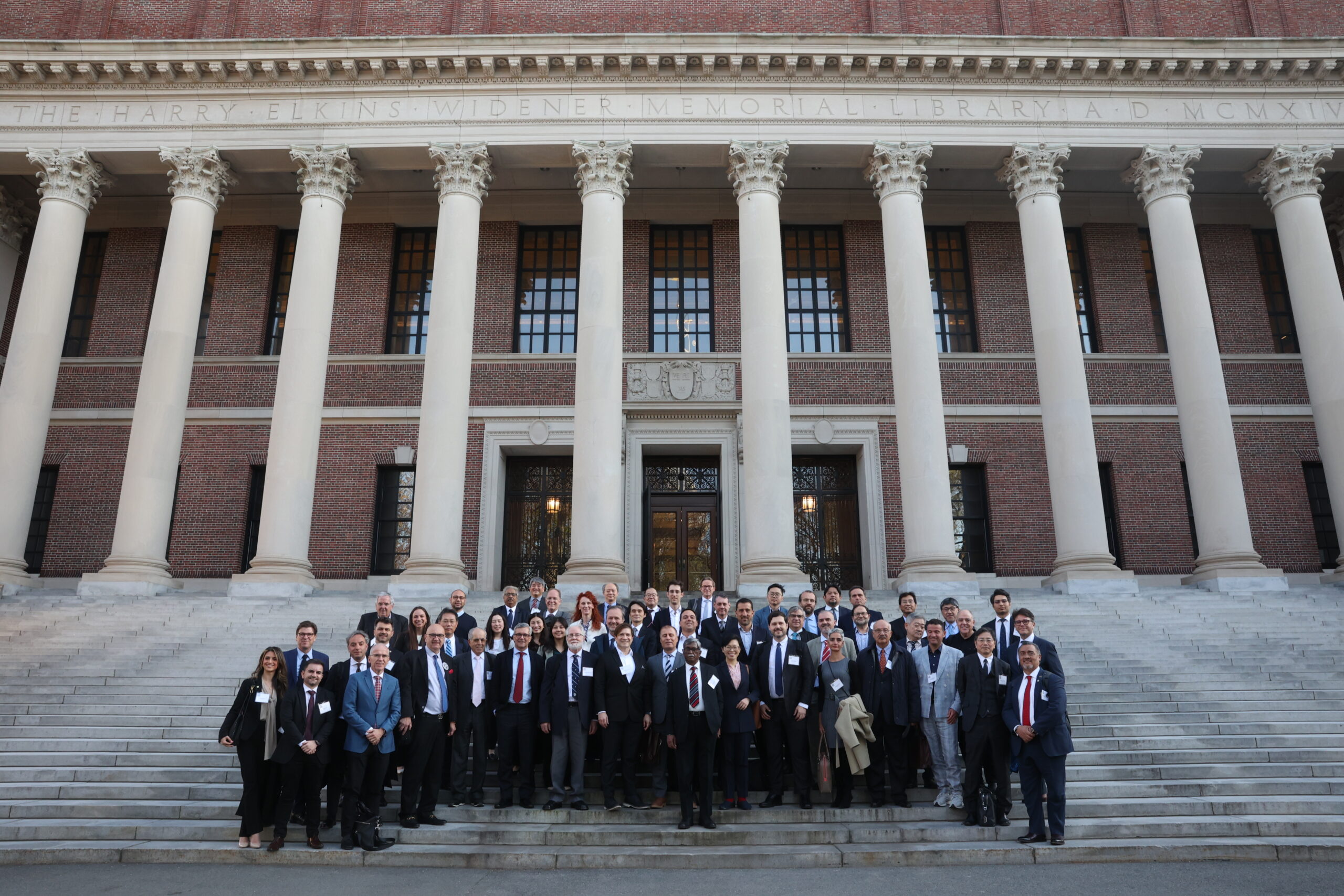
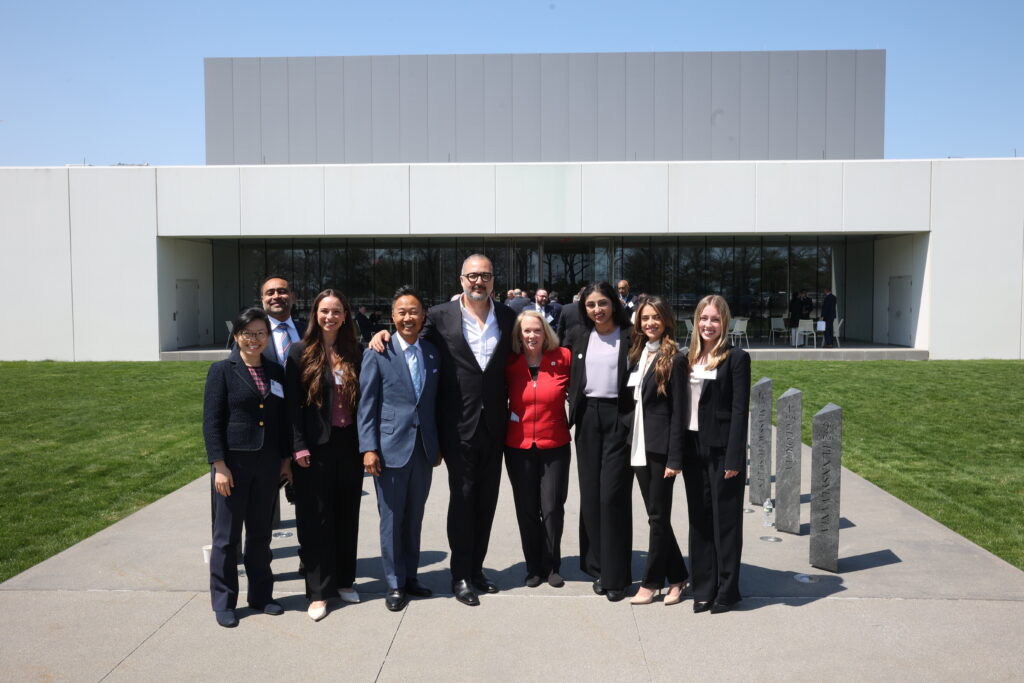
The 24th of April 2025 marked the historic Boston Declaration event, where over 500 representatives from 100+ countries joined to discuss the current landscape of global neurosurgery and celebrate 93 pledges aimed towards future progress in the field. The pledges represented specific, measurable and actionable commitments towards the advancement of timely, safe and affordable neurosurgical care worldwide. Stakeholder groups, ranging from neurosurgeons and researchers to industry leaders and policy makers, worked with the Boston Declaration Steering Committee over six months to formulate their pledges. These pledges included a wide variety of actionable plans — from training neurosurgical nurses in low-resource areas (Muhimbili Orthopaedic Institute) to building a Ugandan hospital (Duke) — that will be implemented and monitored for progress over the next five years.
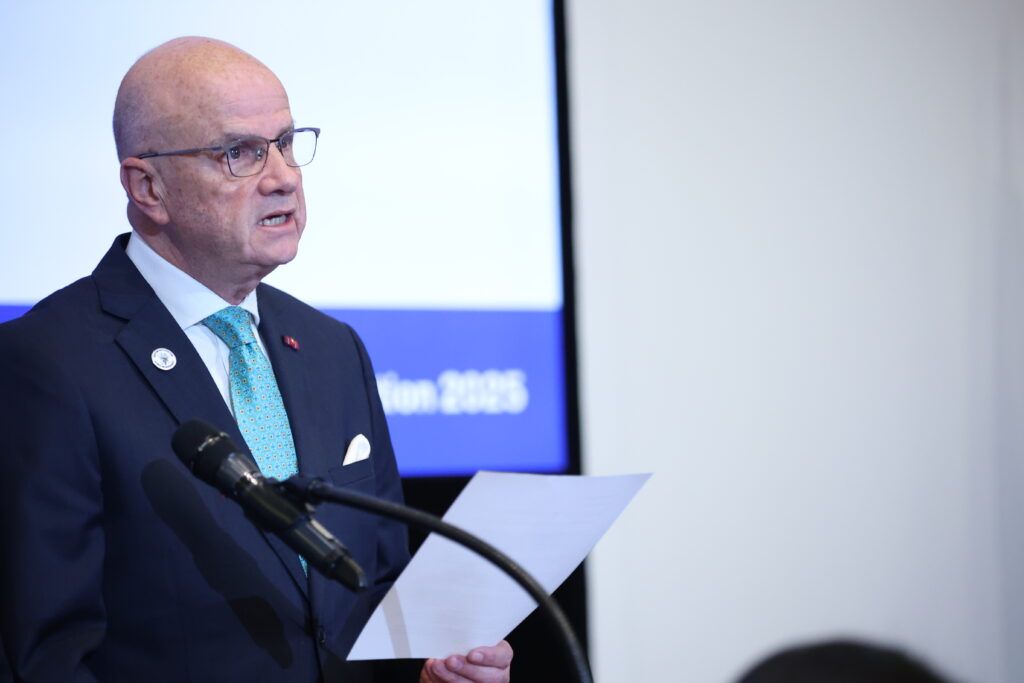
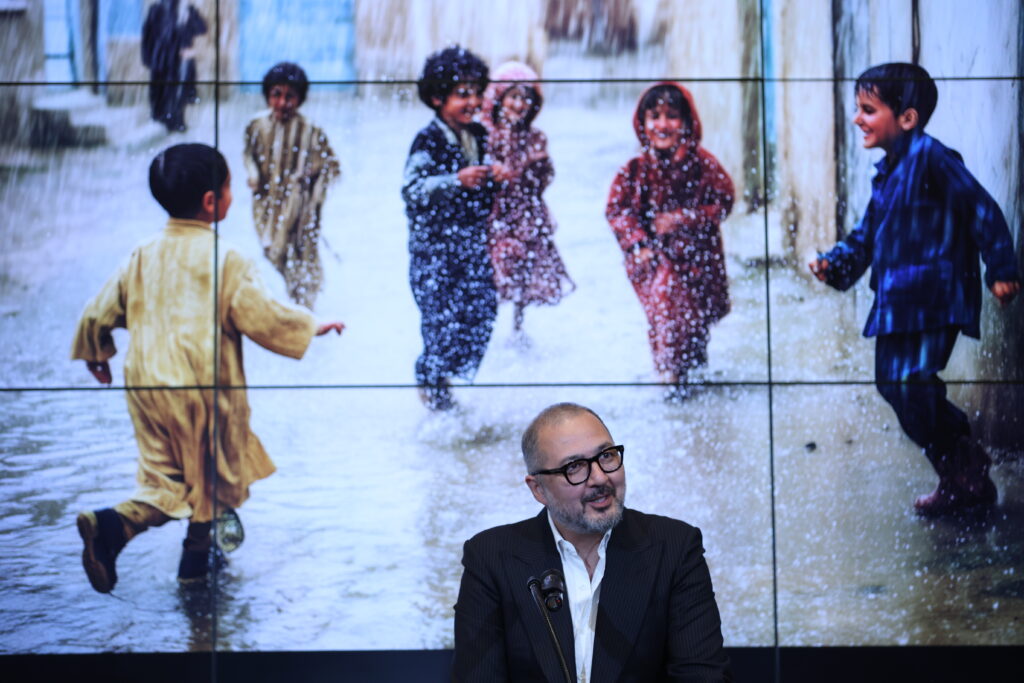
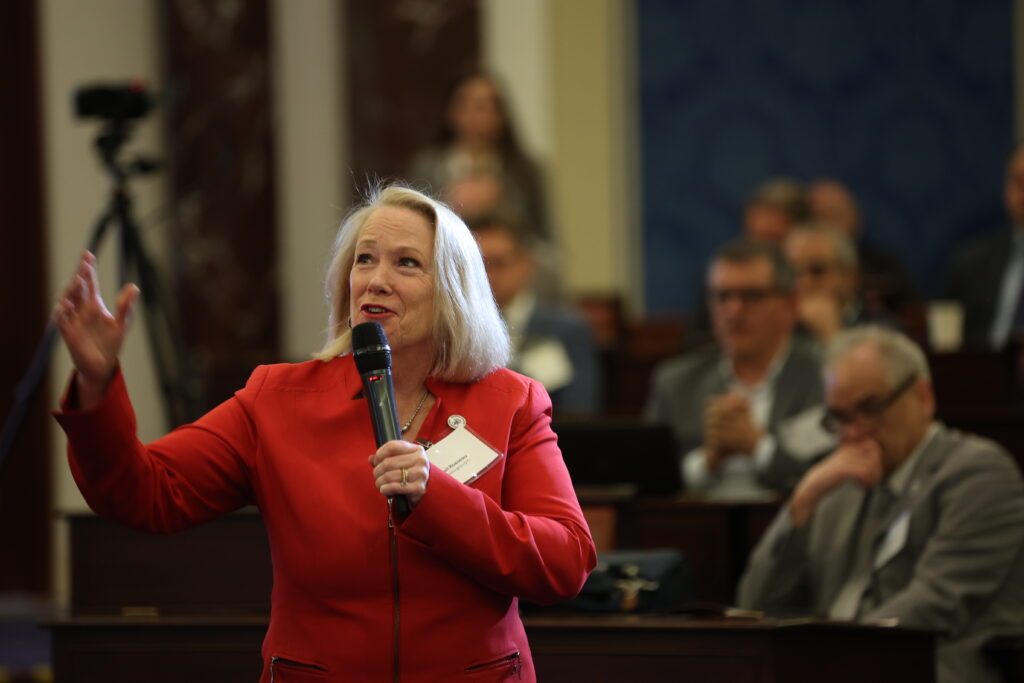
This event, envisioned by the volunteer Boston Declaration Steering Committee and organized in collaboration with the Massachusetts General Brigham Department of Neurosurgery, opened with welcome remarks by Dr. Mohammad Ali Aziz-Sultan, who shared a moving account of how his journey from war-torn Afghanistan informed his deep sense of purpose in global neurosurgery. Dr. Kee Park then shared an update on the state of global neurosurgery informed by prior milestones in the field, such as the 2016 Bogotá Declaration and the 2024 Peshawar Statement. Highlighting the key focus of the Boston Declaration event, Dr. Gail Rosseau emphasized the power of global collaboration and resource consolidation. The day included over 50 speakers ranging from neurosurgeons and public health experts to policymakers, and patient advocates, who shared insights from a broad range of regional and global initiatives.
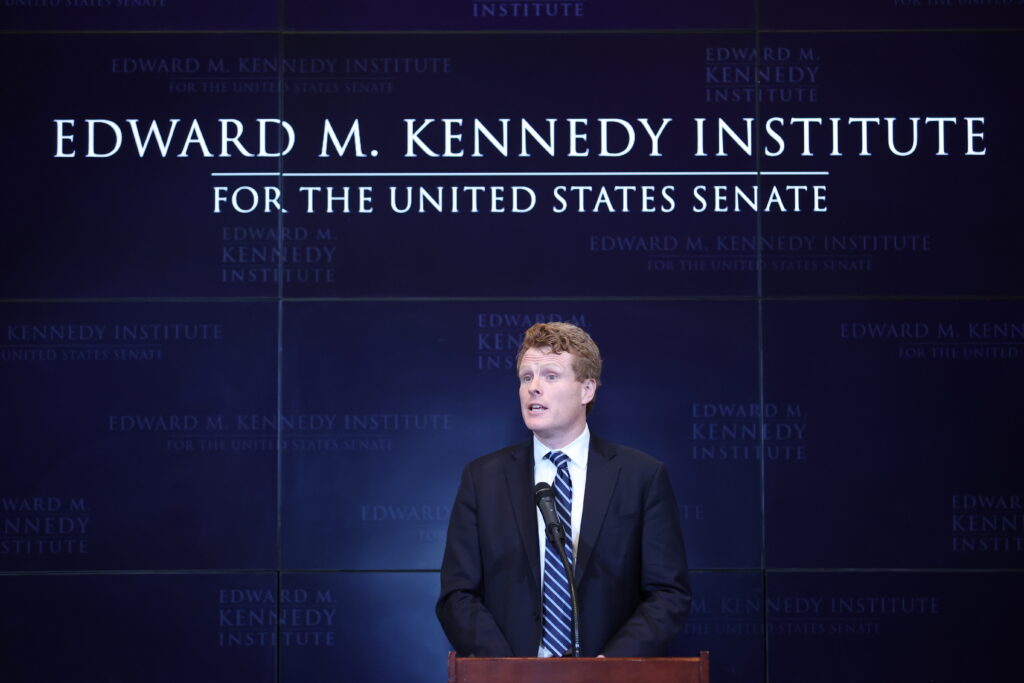
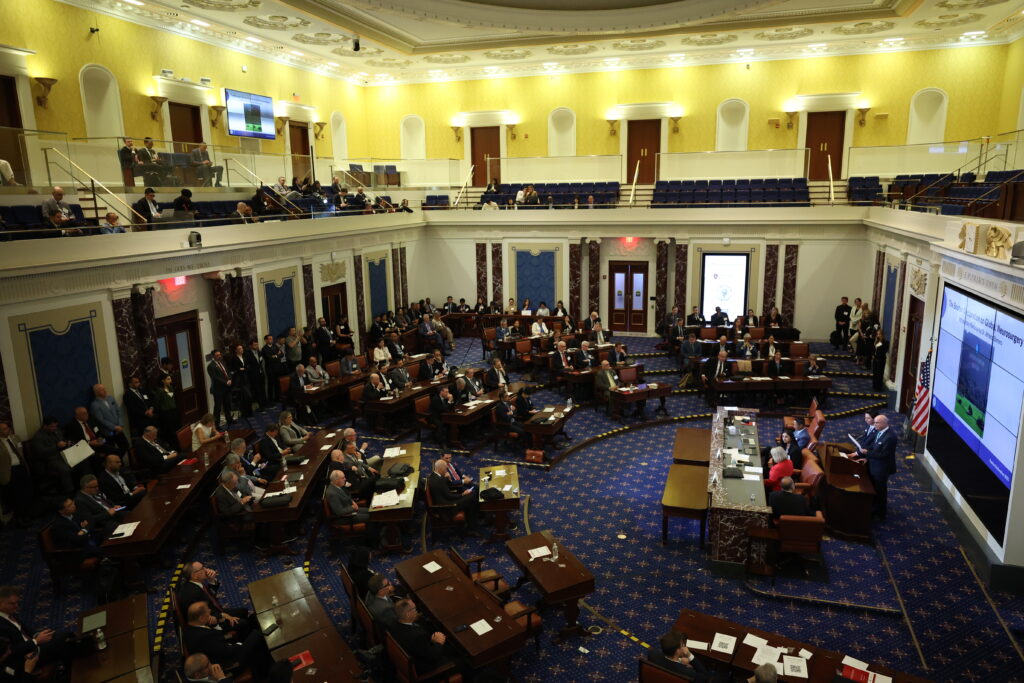
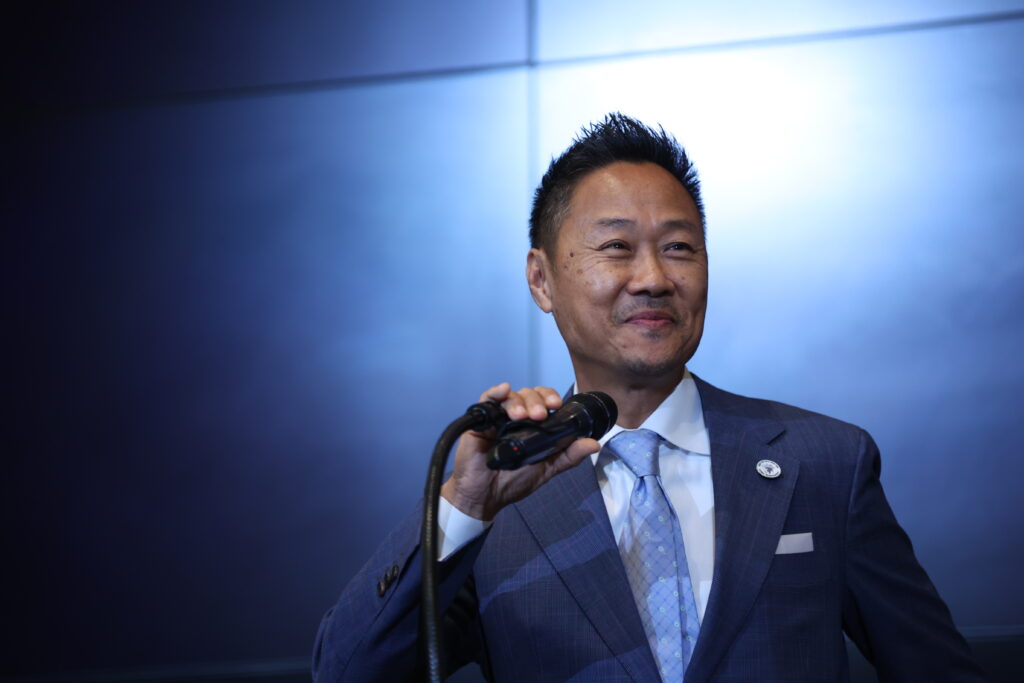
Against the symbolic backdrop of his grandfather’s namesake Edward M. Kennedy Institute in Boston — a full-size replica of the U.S. Senate Chamber — Joseph P. Kennedy III delivered a powerful keynote address. In his speech, Kennedy recognized the importance of global neurosurgery, reemphasizing the urgent need for collective action and celebrating the promise the Boston Declaration holds for expanding accessibility and affordability of neurosurgical care worldwide.
The event was structured into five thematic sessions: Challenges, Paradigms, Milieu/Support Pillars, Champions and Community/Neurosurgical Societies, each designed to explore the current landscape, innovations and systemic barriers to equitable global neurosurgical care and education. The first session defined challenges in the field, including insufficient sustainable financing mechanisms and deficits in workforce, research and education. Speakers shared powerful first-hand accounts of neurosurgical practice in conflict zones such as Haiti, Ukraine and Gaza.
The Paradigms session explored successful organizational efforts by leaders in global neurosurgery, such as Mission:BRAIN and Foundation for International Education in Neurological Surgery (FIENS). The Champions session highlighted inspiring progress in low-resource regions such as Tanzania, Pakistan, Syria, Sierra Leone and Bosnia. The Community session focused on contributions from neurosurgical societies representing each continent, including the American Association of Neurological Surgeons (AANS), the Congress of Neurological Surgeons (CNS), the European Association of Neurological Surgeons (EANS), the Asian Australasian Society of Neurological Surgeons (AASNS), the Latin American Federation of Neurosurgical Societies (FLANC), the Continental Association of African Neurosurgical Societies (CAANS) and the World Federation of Neurological Surgeons (WFNS).
The final session, a two-hour presentation of over 90 pledges, offered a platform for diverse stakeholder groups to share their organizational commitments towards advancing global neurosurgical care and education. To open the session, Dr. Alfredo Borrero, neurosurgeon and former vice president of Ecuador, shared a poignant reflection connecting the mission of global neurosurgery to the resilience of people and the lands who shape them:
“In the jungle, one does not walk in haste—one walks with purpose. Global neurosurgery, too, must move forward with intention, and today, we aim to build a new paradigm: one rooted in open dialogue between different forms of knowledge, grounded in collective action, and sustained by community and consistent reflection.”
The day concluded with a digital signing of the Boston Declaration document, symbolizing a collective commitment to address the substantial and persistent needs for global access to neurosurgical care and education. Unifying hundreds of international stakeholders, the Boston Declaration set the stage for this year’s theme of the 2025 AANS Annual Meeting: “The Ripple Effect: Power of One, Impact of Many.” The event was showcased on Friday, April 25, 2025, during the AANS opening ceremony when Dr. Gail Rosseau, who delivered the Charles L. Plante Lecture, shared a call-to-action to the broader neurosurgical community to join in this collective commitment to global neurosurgery.
The Boston Declaration is more than a ceremonial milestone — it is a catalyst for collaborative action.
To read the Boston Declaration document and sign on to this collective commitment to advancing global neurosurgery, please follow this link. To submit a pledge to the Boston Declaration, please follow this link. For further questions about how to get involved, email [email protected].
Authors: Nicole A. Perez1,2, Noor Alesawy3, Piper Tingleaf 1, Ramya Reddy4, Isabelle M. Germano5, Kenan Arnautovic6, Nirav Patel2, Wenya Linda Bi2, Mohammad Ali Aziz-Sultan2, Kee B. Park7, Gail Rosseau8
Affiliations:
1 Harvard Medical School (Boston, MA)
2 Department of Neurosurgery, Brigham and Women’s Hospital, Harvard Medical School (Boston, MA)
3 UCLA David Geffen School of Medicine (Los Angeles, CA)
4 University of Florida College of Medicine (Gainesville, FL)
5 Department of Neurosurgery, Icahn School of Medicine at Mount Sinai (New York, NY)
6 Department of Neurosurgery, The University of Tennessee Health Science Center (Memphis, TN)
7 Program in Global Surgery and Social Change, Harvard Medical School (Boston, MA)
8 Department of Neurological Surgery, The George Washington University (Washington, DC)

Nicole Perez, BA
Nicole “Nikki” Perez, BA, is a MD candidate at Harvard Medical School with a passion for neurosurgical oncology and global neurosurgery. She serves as US Regional Chair of Research for the Mission:Brain organization, founding member of the Clinical Neurosurgery Research Group at MGH, and Co-Organizer for the 2025 Boston Declaration. Through Mission:BRAIN, she has co-organized several annual global hackathon events and leads an international peer mentorship program that aims to expand access to neurosurgical research opportunities in low-resource settings. Nikki looks forward to pursuing a residency in neurosurgery, during which she plans to continue her work developing affordable, sustainable and humanistic innovations that improve patient care both within and beyond the operating room.
Mohammad Ali Aziz-Sultan, MD, MBA
Dr. Aziz-Sultan is Chief of the Division of Vascular/Endovascular Neurosurgery in the Department of Neurosurgery at Mass General Brigham, Co-Director of the MGB Comprehensive Stroke Center and Associate Professor of Neurosurgery at Harvard Medical School. His background as an Afghan native has fueled his passion to drive global collaboration and expansion across neurosurgery. He is a world leader in cerebrovascular disease and serves as a founding member and Director of MGB Global Neurosurgery.
Kee B. Park, MD, MPH
Dr. Park is the Director of Policy and Advocacy at the Program in Global Surgery and Social Change at Harvard Medical School in Boston, MA. He also serves as Director of the Korea Health Policy Project, Co-Chair of the Women’s Health and Empowerment Network and Editor-in-Chief of the Journal of Global Neurosurgery. Throughout his career in neurosurgery, Dr. Park has advocated for the development of surgical plans and capacity worldwide in his roles as a surgeon educator, consultant for the World Health Organization and founding member of The Global Surgery Foundation.
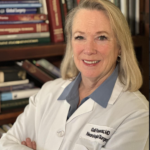
Dr. Rosseau is Clinical Professor of Neurosurgery at George Washington University
School of Medicine and Health Sciences in Washington, D.C. and Adjunct Professor of
Global Neurosurgery at Barrow Neurological Institute in Phoenix, AZ. She has been
involved in Global Neurosurgery all her career and is a leader in the Global Surgery
movement. She has authored over 300 peer-reviewed publications and been invited as
Visiting Professor at over 20 universities. She is Global Champions Editor for World
Neurosurgery, and Section Editor for Global Neurosurgery for Neurosurgery.