
“Is neurosurgery a career for me?” This is a question in the back of the mind of many medical students. They appreciate the challenge in taking care of some of the sickest patients in the hospital. They enjoy the nuances of neuroanatomy in the brain and spine. They marvel at the creativity in customizing treatments for specific patients through research. Yet, they are unsure about the training, commitment and work-life balance issues inherent in the field.
Some students have no point of reference; they may be first in their family to attend college or medical school. They may not have neurosurgical role models. In an effort to engage future potential neurosurgeons, I have been giving lectures to the first-year medical students to give them exposure to the day-to-day life of a neurosurgeon. To those who attend the lecture (a self-selective group of curious students), I offer shadowing opportunities in clinic, in the OR and on daily rounds. Many then volunteer in our research lab. For those who rise to the challenge and submit research abstracts, I provide financial support so they can attend and present platform talks at meetings and conferences. The goal is to identify students with a passion for the field and guide them to their goals.
The future neurosurgeons of tomorrow who are the medical students of today are an impressive cohort of young people.
Empowering Residents
Residents are pivotal to the care of our patients. Resident duty hours and education have become very prescriptive and regulated. The risk is for residents to lose a sense of ownership of a patient’s care and to focus on the clock instead. Resident engagement takes many forms, and my goal is to have them take ownership of their training. It is difficult to get the attention of a resident on clinical service while they are rushing from one task to another. But, outside of the hospital and away from the pager is a chance to reconnect. I often take them to meetings and dinners so we can discuss their goals, discuss the care of an individual patient, explore opportunities for research and meet thought leaders in the field. This is what matters, a comprehensive educational experience tailored to their growth as neurosurgeons. The chief resident year is especially important as it is the last chance for many to have someone looking over their shoulder while they fine tune what they have learned. Many tell me that their first few cases alone in practice are very lonely and they start double thinking every move. Of course, they get over this hump and flourish. That is perhaps when they realize what a special time in their lives residency was.
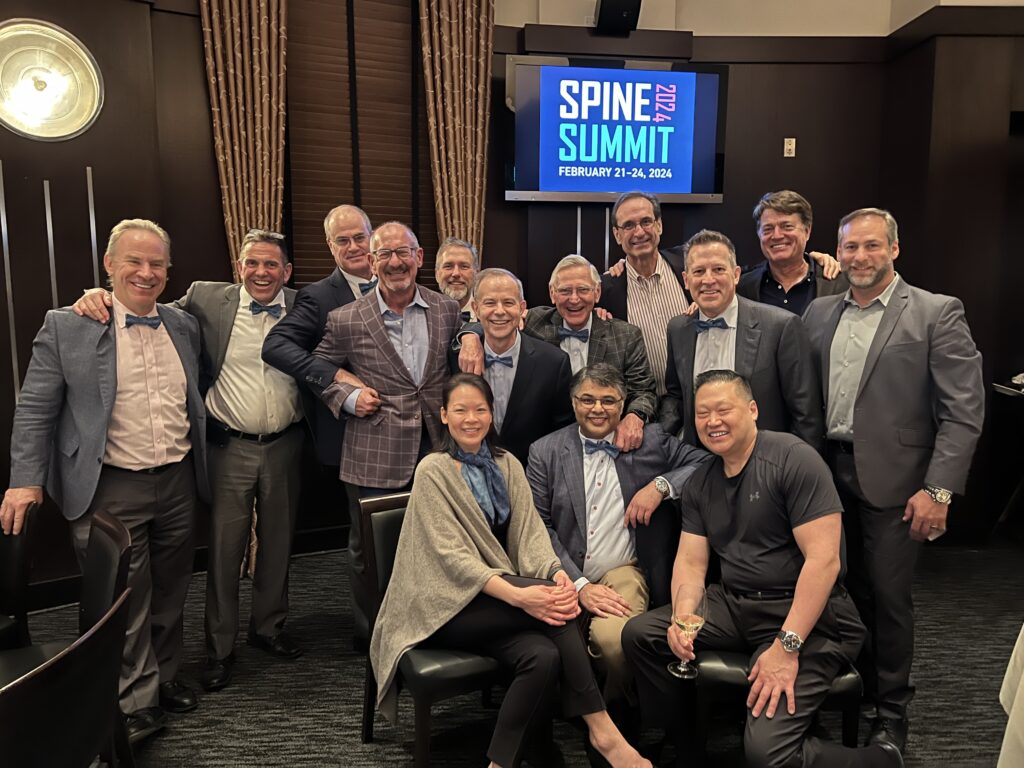
Guiding Fellows in Transition
I spend more waking hours with my fellows than I do with my family. This fosters a close relationship that lasts a lifetime. For many fellows, the fellowship is the first time they have come to clinic and understand the longitudinal care of patients and how neurosurgeons interact with the families of patients.
Transitioning fellows into independent practice requires a tailored approach from the mentor. This is a finishing school and is their chance to understand surgical indications, refine surgical techniques, enhance clinical skills and engage in team research. Travel is a big part of the spine fellowship at UCSF. Attending research meetings and interfacing with leaders inspires many to pursue academic careers.
Beyond clinical proficiency, part of my role as a fellowship director is to aid fellows in securing employment opportunities and prepare for board examination. Furthermore, discussions of work-life balance and family life provides a perspective on what matters outside of neurosurgery.

Dr. Praveen Mummaneni is the Joan O'Reilly Distinguished Professor in Spinal Surgery at UCSF, co-director of the UCSF Spine Center and vice chair of the neurosurgery department. He is also the lead surgeon of UCSF Parnassus Perioperative Service and a director for the American Board of Neurological Surgery.